91 Results with the "Satire" genre
Adventure Fiction (1164)
Biography (435)
Business & Finance (1)
Children's Literature (124)
Comics (6)
Culture (51)
Drama (123)
Dystopian (29)
Fable (86)
Fantasy (1132)
Fantasy (203)
Fiction (1010)
Finance (1)
Gothic Fiction (12)
Historical Fiction (615)
History (122)
Horror (56)
Lifestyle (36)
Literary (404)
Literary Fiction (207)
Memoir (113)
Mystery (422)
Non-fiction (87)
Novel (549)
Paranormal Fiction (96)
Philosophical (182)
Philosophy (45)
Poetry (249)
Political Fiction (14)
Politics (42)
Practical (32)
Psychological (4)
Psychological Thriller (108)
Relationship (6)
Romance Novel (716)
Romantic Melodrama (14)
Science (46)
Science Fiction (345)
Self-help (68)
Society (65)
Society (2)
Spiritual Growth (1)
story (2)
Thriller (704)
True Crime (56)
view (11)
Women's Fiction (2)
Young Adult (233)
-
Chapter
Chapter IV
 The chapter details the spreading influence of Animal Farm's rebellion across the countryside. Snowball and Napoleon dispatch pigeons to neighboring farms to share their revolutionary message and the anthem *Beasts of England*. Meanwhile, Mr. Jones, the ousted owner, drowns his sorrows at a local pub, receiving only superficial sympathy from fellow farmers like Pilkington of Foxwood and Frederick of Pinchfield, who are more interested in exploiting his misfortune than helping him. The two neighboring…
-
23.3 K • Ongoing
-
-
Chapter
Chapter III
The chapter depicts the animals' collective effort in harvesting hay, a task they complete more efficiently than the humans ever did. Despite the physical challenges of using human-designed tools, the pigs' intelligence and the horses' expertise ensure success. Every animal contributes, from Boxer's tireless labor to the hens gathering stray stalks, resulting in a record harvest with no waste. The absence of human oversight fosters a sense of ownership and pride, as the animals revel in the fruits of their…-
23.3 K • Ongoing
-
-
Chapter
Chapter II
The chapter begins with the death of Old Major, whose revolutionary ideas inspire the more intelligent animals on the farm, particularly the pigs, to prepare for an eventual rebellion against their human master, Mr. Jones. The pigs, led by Snowball and Napoleon, take charge of organizing and educating the other animals, developing Major’s teachings into a system called Animalism. Despite initial apathy and skepticism, they hold secret meetings to spread their ideology, though they face resistance from…-
23.3 K • Ongoing
-
-
Chapter
Chapter I
The chapter opens with Mr. Jones, the neglectful owner of Manor Farm, drunkenly retiring for the night, leaving the farm unattended. Seizing this opportunity, the animals gather in the barn to hear old Major, a revered boar, share a prophetic dream. Major, a wise and aging figure, commands respect among the animals, who assemble eagerly despite the late hour. The scene is set with vivid descriptions of the animals’ arrivals, from the cautious horses to the cynical donkey Benjamin, creating a sense of…-
23.3 K • Ongoing
-
-
Chapter
Chapter Q
 Chapter Q opens with Bierce’s definition of Queen, who he presents as a monarch not limited to figurehead or consort. Her presence is shown to possess influence both active and implied, shaping outcomes whether she reigns directly or supports from behind the throne. Bierce suggests that while kings may rule, queens maneuver—often more subtly, and sometimes with greater lasting impact. This nuanced depiction challenges the assumption that power is loud, offering instead the idea that it is often wielded…
-
82.1 K • Ongoing
-
-
Chapter
To The Reader
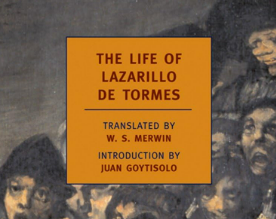 To The Reader, this opening note is not just a formality but a pointed defense of truth against the spread of fantasy. The writer, J. de Luna, steps forward not only as a storyteller but as a witness determined to restore dignity to a tale that has, in his eyes, been twisted into nonsense. A version of Lazarillo's life, recently printed and circulated, told of him falling into the sea and transforming into a fish—a tuna no less—complete with underwater battles, a scaly wife, and tuna offspring. To…
-
108.4 K • Ongoing
-
-
Chapter
Chapter O
Chapter O begins with Bierce’s sardonic take on Oath, described not just as a solemn vow but as an appeal to a deity designed to scare someone into telling the truth. He points out that its real power comes less from divine authority and more from the fear of perjury and punishment. The deeper suggestion is that society often relies on fear rather than integrity to uphold honesty. Bierce’s view strips the ceremonial dignity from the act and leaves behind a mechanism rooted in human insecurity. The oath…-
82.1 K • Ongoing
-
-
Chapter
Chapter N
Chapter N begins with Bierce’s take on Nectar, the mythical drink of the gods, rendered here as a lost recipe that modern drinkers in Kentucky may have accidentally stumbled upon. His tone lightly mocks the human tendency to romanticize ancient myth while indulging in earthly pleasures that serve similar purposes. Bierce transforms nectar from a symbol of divine vitality to a joke about strong spirits, linking the sacred and profane through satire. This sets the stage for the chapter’s interplay…-
82.1 K • Ongoing
-
-
Chapter
Chapter M
Chapter M opens with Bierce’s sardonic interpretation of Mace, not as an ornamental staff of office, but as a relic of violence disguised in symbolism. Once wielded to physically crush opposition, it now merely represents authority—yet the threat it implies has not vanished. Bierce suggests that all symbols of power retain traces of their brutal origins, no matter how ceremonial they appear today. This observation invites reflection on how civilization dresses violence in the robes of civility. The…-
82.1 K • Ongoing
-
-
Chapter
Chapter L
Chapter L opens with a stark look at Labor, which Bierce describes as an effort not for personal gain but for the benefit of someone else—typically an employer or master. This definition frames labor as a one-sided transaction in which toil and time are exchanged for minimal return, questioning the dignity often associated with hard work. He implies that work, praised as virtuous, often disguises exploitation beneath the language of duty. Bierce’s entry calls attention to how society masks inequality…-
82.1 K • Ongoing
-
- Previous 1 … 3 4 5 … 10 Next