91 Results with the "Satire" genre
Adventure Fiction (1164)
Biography (435)
Business & Finance (1)
Children's Literature (124)
Comics (6)
Culture (51)
Drama (123)
Dystopian (29)
Fable (86)
Fantasy (1132)
Fantasy (203)
Fiction (1010)
Finance (1)
Gothic Fiction (12)
Historical Fiction (615)
History (122)
Horror (56)
Lifestyle (36)
Literary (404)
Literary Fiction (207)
Memoir (113)
Mystery (422)
Non-fiction (87)
Novel (549)
Paranormal Fiction (96)
Philosophical (182)
Philosophy (45)
Poetry (249)
Political Fiction (14)
Politics (42)
Practical (32)
Psychological (4)
Psychological Thriller (108)
Relationship (6)
Romance Novel (716)
Romantic Melodrama (14)
Science (46)
Science Fiction (345)
Self-help (68)
Society (65)
Society (2)
Spiritual Growth (1)
story (2)
Thriller (704)
True Crime (56)
view (11)
Women's Fiction (2)
Young Adult (233)
-
 Chapter III: How Lazaro Escaped from the Sea begins with a chaotic, breathless effort to grasp at both survival and wealth. Trapped between terror and hope, Lazaro pushes his body into the waves, clawing toward a chest of treasure floating just out of reach. He cannot swim, yet necessity compels him forward. The sea, cruel and cold, batters his limbs while fish snap at his skin as if mocking his desperation. Every gulp of seawater feels like punishment, reminding him of the bitter concoction his wife once…
-
108.4 K • Ongoing
-
-
Chapter II: How Lazaro Embarked at Cartagena begins with a quiet sense of desperation masked by hope as Lazaro leaves behind yet another chapter of suffering. Mocked for his ragged clothes and treated as little more than a vagrant, he faces ridicule with an inward resolve. He believes that endurance, no matter how bitter, might yet bring him closer to dignity. With nowhere else to turn, he boards a ship docked at Cartagena, lured by the thought of escape and renewal. The harbor, loud and bustling, gives…
-
108.4 K • Ongoing
-
-
Chapter I: Where Lazaro Tells about How He Left Toledo to Go to the War of Algiers opens with Lazaro in an enviable position. In Toledo, he had a job that brought stability, fine clothes, and the appearance of respectability. Yet the call of adventure stirred something deeper in him—a wish to follow the legacy of his father and prove his worth in a more daring way. That desire, mixed with ambition, pushed him to volunteer for the fleet bound for Algiers. Before setting off, he ensured his family was…
-
108.4 K • Ongoing
-
-
Chapter
Chapter P
 Chapter P opens with Bierce’s treatment of Pain, which he describes not merely as a physical sensation but as a reminder of life’s imperfection. It is framed not as something to avoid, but something that teaches—unwanted yet often more honest than pleasure. Bierce argues that pain, unlike happiness, demands attention and shapes behavior. In his view, discomfort is more instructive than joy, serving as a sobering influence on human pride. Through this, pain is elevated from nuisance to necessary…
-
82.1 K • Ongoing
-
-
Chapter
Chapter X
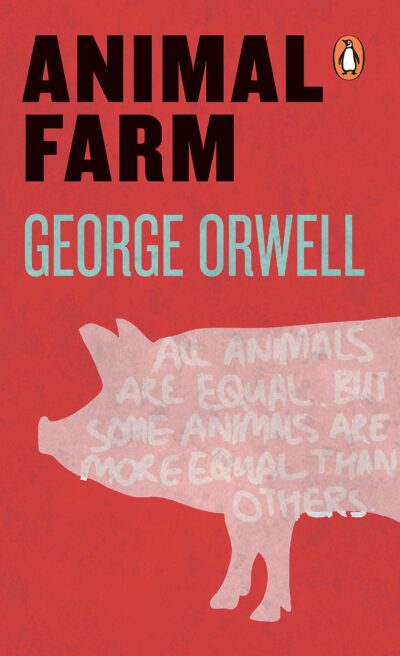 The chapter depicts the passage of time on Animal Farm, where most original Rebellion participants have died or been forgotten. Only Clover, Benjamin, Moses, and the pigs remain as living links to the past. The farm has expanded with new animals who know little of the Rebellion's history, while the original ideals have eroded. Napoleon and the pigs live luxuriously, contrasting sharply with the other animals' hard lives. The windmill, once promised to bring modern comforts, now serves only to enrich the…
-
23.3 K • Ongoing
-
-
Chapter
Chapter IX
The chapter opens with Boxer, the hardworking horse, suffering from a split hoof but refusing to rest, driven by his ambition to see the windmill completed before his retirement. Despite Clover and Benjamin's efforts to treat his injury and persuade him to slow down, Boxer remains steadfast. The narrative then shifts to the topic of retirement ages and pensions established on Animal Farm, revealing the promised benefits for aging animals. Boxer’s twelfth birthday, marking his eligibility for retirement,…-
23.3 K • Ongoing
-
-
Chapter
Chapter VIII
The chapter opens with the animals grappling with the aftermath of the executions, as some recall the Sixth Commandment's prohibition against killing. Clover seeks clarification and discovers the commandment now includes the phrase "without cause," justifying the pigs' actions against alleged traitors. This manipulation of memory highlights the erosion of the original revolutionary principles, as the pigs rewrite history to maintain control. The animals' confusion underscores their vulnerability to…-
23.3 K • Ongoing
-
-
Chapter
Chapter VII
The chapter depicts a harsh winter on Animal Farm, where the animals struggle to rebuild the windmill amid freezing conditions and food shortages. Despite the humans' claims that the mill collapsed due to poor construction, the animals know Snowball was blamed unfairly. They work tirelessly, with Boxer's determination inspiring them, but progress is slow. The bitter cold and hunger take a toll, and the discovery of frost-ruined potatoes worsens their plight. Squealer's speeches about labor's dignity offer…-
23.3 K • Ongoing
-
-
Chapter
Chapter VI
The animals toiled relentlessly throughout the year, driven by the belief that their labor benefited their own community rather than exploitative humans. Despite grueling hours, including voluntary Sunday work enforced by ration cuts, they fell behind on tasks like sowing crops, foreshadowing a harsh winter. The windmill construction posed unexpected challenges, particularly breaking limestone boulders without human tools. Through collective ingenuity, they devised a method using gravity—dragging…-
23.3 K • Ongoing
-
-
Chapter
Chapter V
The chapter opens with Mollie, the vain mare, becoming increasingly unreliable as winter approaches. She neglects her duties, admires her reflection, and is eventually confronted by Clover about consorting with a human from a neighboring farm. When Clover discovers hidden sugar and ribbons in Mollie's stall, it confirms her suspicions of betrayal. Mollie soon abandons Animal Farm altogether, choosing a life of comfort under human care, symbolized by her appearance pulling a dogcart with a red ribbon—a…-
23.3 K • Ongoing
-
- Previous 1 2 3 4 … 10 Next