
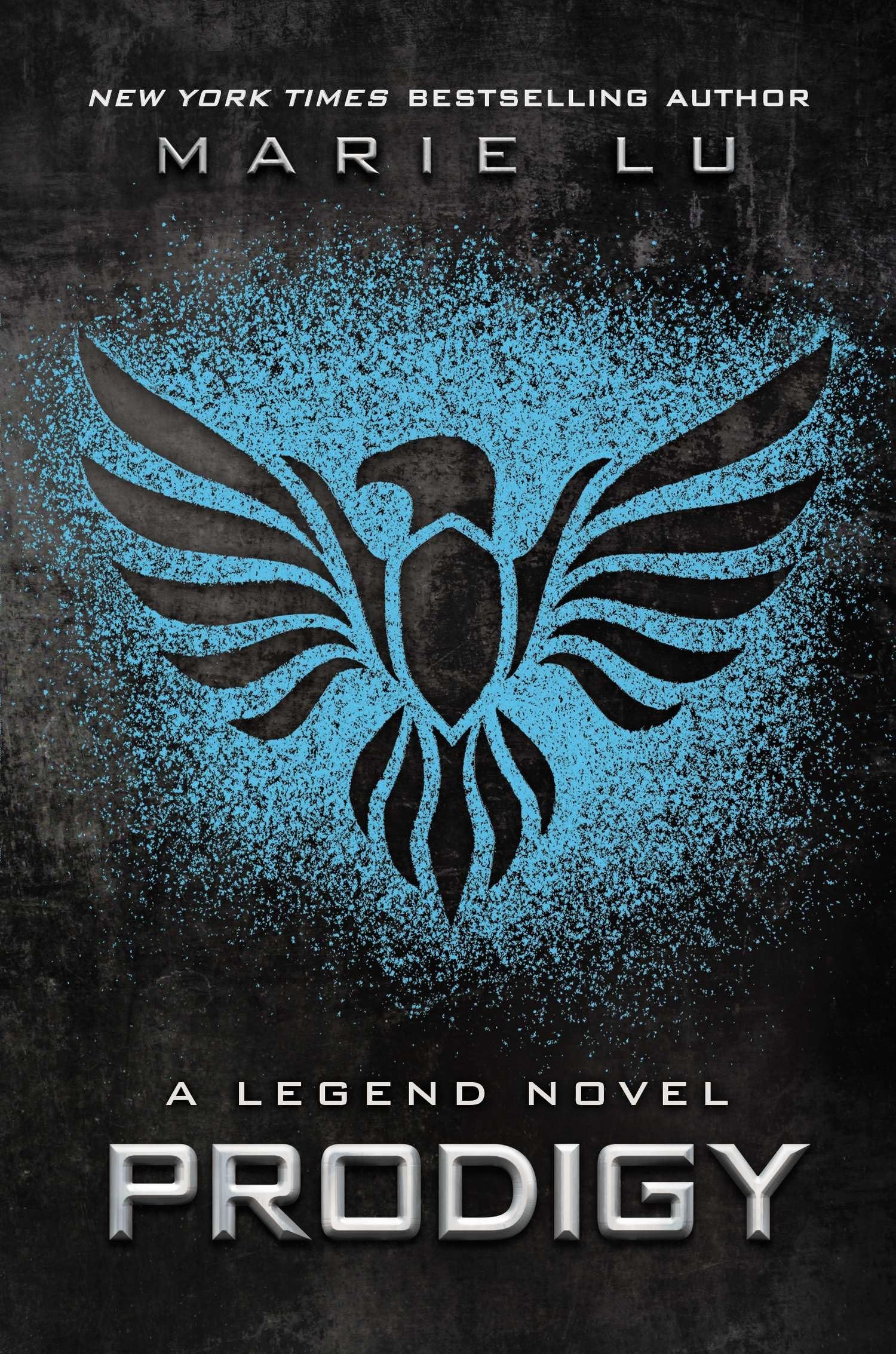
Prodigy
Prodigy is the gripping second installment in Marie Lu’s Legend trilogy, escalating the stakes in a dystopian war between the Republic and the Colonies. After their dramatic escape in Legend, June and Day join the rebel Patriot group, hoping to overthrow the Republic’s tyrannical government. But trust is fragile—June’s loyalty is questioned due to her elite past, while Day grapples with grief and the weight of becoming a revolutionary symbol.
Their mission? Assassinate the newly elected Elector Primo, a leader who might actually bring reform—if he’s telling the truth. As June infiltrates the government and Day rallies the streets, they must decide: Is revolution worth the cost?
With heart-pounding action, political betrayals, and a love triangle that fractures loyalties, Prodigy deepens the trilogy’s exploration of power, sacrifice, and the blurred line between hero and villain.
Description
- “Prodigy” by Marie Lu is the second installment in the dystopian “Legend” trilogy, following the gripping journey of June and Day as they navigate a fractured society. After escaping the Republic’s clutches, the duo allies with the rebel Patriots to overthrow the oppressive regime, but their trust is tested by shifting loyalties and hidden agendas. Themes of power, sacrifice, and identity are explored against a backdrop of political intrigue and revolution. Lu’s taut prose and intricate world-building heighten the tension, making “Prodigy” a compelling exploration of morality and resilience in a divided world. The novel advances the series’ narrative while deepening character arcs and societal critiques.
FAQs
- What is Prodigy by Marie Lu about?
- • Prodigy is the second book in Marie Lu’s Legend trilogy, continuing the dystopian saga of Day and June. The story follows their escape from the Republic and their journey to join the Patriots, a rebel group, while grappling with grief, trauma, and their evolving relationship.
- Who are the main characters in Prodigy?
- • The protagonists are Day, a fugitive revolutionary, and June, a former Republic prodigy. Their bond deepens as they navigate loss, survival, and rebellion against the oppressive Republic regime.
- What themes are explored in Prodigy?
- • The novel delves into themes of grief, loyalty, rebellion, and the psychological toll of war. It also examines the complexities of trust and love in a fractured society.
- Is Prodigy part of a series?
- • Yes, it’s the second installment in the Legend trilogy, preceded by Legend and followed by Champion. The series is best read in order.
- What sets Prodigy apart from other dystopian novels?
- • Marie Lu’s sharp pacing, dual perspectives, and emotional depth distinguish Prodigy. The protagonists’ vulnerabilities and the high-stakes political intrigue create a gripping narrative.
- What is the tone of Prodigy?
- • The tone is tense and emotional, blending action with introspective moments. The characters’ trauma and resilience are central, adding layers to the dystopian setting.
- Are there trigger warnings for Prodigy?
- • Yes, the book includes depictions of violence, grief, and PTSD-like symptoms, which may be distressing for some readers.
- How does Prodigy expand the world of Legend?
- • It introduces new factions like the Patriots and explores broader geopolitical conflicts, deepening the trilogy’s dystopian lore.
- What do readers praise about Prodigy?
- • Fans highlight the character development, plot twists, and the evolving dynamic between Day and June as standout elements.
- Can Prodigy be read as a standalone?
- • No, it relies heavily on events from Legend. New readers should start with the first book to fully appreciate the story.
Quotes
- “The scrape on my shoulder has scabbed over already, but my movement makes it throb again.” — Marie Lu, Prodigy
- “I can’t afford to lose him. I keep telling myself it’s for practical reasons: we’d have little chance of surviving alone at this point, and his skills complement mine.” — Marie Lu, Prodigy
- “Ollie was my boy, and I’d left him behind.” — Marie Lu, Prodigy
- “The way he’d pushed me against that alley wall, the hunger in his first kiss.” — Marie Lu, Prodigy
- “Sooner we get there, sooner we’ll find the Patriots.” — Marie Lu, Prodigy
- Chapter 1: June 1 2,157 Words
- Chapter 2: Day 1 2,155 Words
- Chapter 3: June 2 2,419 Words
- Chapter 4: Day 2 2,058 Words
- Chapter 5: June 3 2,200 Words
- Chapter 6: Day 3 2,705 Words
- Chapter 7: June 4 1,879 Words
- Chapter 8: Day 4 2,173 Words
- Chapter 9: June 5 2,310 Words
- Chapter 10: Day 5 2,219 Words
- Chapter 11: June 6 2,240 Words
- Chapter 12: Day 6 2,455 Words
- Chapter 13: June 7 2,371 Words
- Chapter 14: Day 7 1,994 Words
- Chapter 15: June 8 1,946 Words
- Chapter 16: Day 8 2,348 Words
- Chapter 17: June 9 2,135 Words
- Chapter 18: Day 9 2,053 Words
- Chapter 19: June 10 2,205 Words
- Chapter 20: Day 10 2,068 Words
- Chapter 21: June 11 2,076 Words
- Chapter 22: Day 11 1,971 Words
- Chapter 23: June 12 1,830 Words
- Chapter 24: Day 12 1,661 Words
- Chapter 25: June 13 2,288 Words
- Chapter 26: Day 13 2,282 Words
- Chapter 27: June 14 2,247 Words
- Chapter 28: Day 14 1,794 Words
- Chapter 29: June 15 2,022 Words
-
Never Let Me Go: In Never Let Me Go, Kazuo Ishiguro weaves a haunting and introspective tale set in an alternate-reality 1990s England, where Kathy…
-
The Chrysalids: In The Chrysalids, John Wyndham crafts a chilling post-apocalyptic world where genetic purity is enforced with religious fervor.…
-
The Giver of Stars: Set in the rugged mountains of 1930s Kentucky, The Giver of Stars follows Alice Wright, a spirited Englishwoman who escapes her…
-
The Children of Men: In The Children of Men, P.D. James crafts a haunting dystopian vision set in 2021, where humanity faces extinction after decades of…
-
The Hunger Games: In The Hunger Games, Katniss Everdeen, a 16-year-old girl from the impoverished District 12, volunteers to take her younger sister’s…
-
The Death Cure: In The Death Cure, the harrowing conclusion to the Maze Runner trilogy, Thomas and his friends escape WICKED’s…
-
Brave New World: In Brave New World, Aldous Huxley crafts a chilling vision of a dystopian future where society is engineered for stability and…
-
Gregor and the Curse of the Warmbloods: In Gregor and the Curse of the Warmbloods, Gregor returns to the Underland on a desperate mission: a deadly plague called the…
-
Gregor and the Marks of Secret: In Gregor and the Marks of Secret, Gregor returns to the Underland for a mission that begins as a rescue—and spirals into a chilling…
-
Gregor and the Code of Claw: In the epic conclusion to the Underland Chronicles, Gregor faces his most harrowing challenge yet as the Underland teeters on…