testsuphomeAdmin
Stories
167
Chapters
9,217
Words
23.6 M
Comments
0
Reading
81 d, 23 h
-
 The Chasm between the political ideologies of the time became even more evident in June 1858 when Abraham Lincoln emerged as the Republican nominee for the U.S. Senate. At forty-nine, Lincoln, with his towering height of six feet four inches, was positioned to challenge the younger incumbent, Stephen Douglas, in a race that quickly gained national attention. The contrast between the two men’s physical appearances symbolized the ideological divide that was about to be exposed in the debates that would…
-
554.9 K • Ongoing
-
-
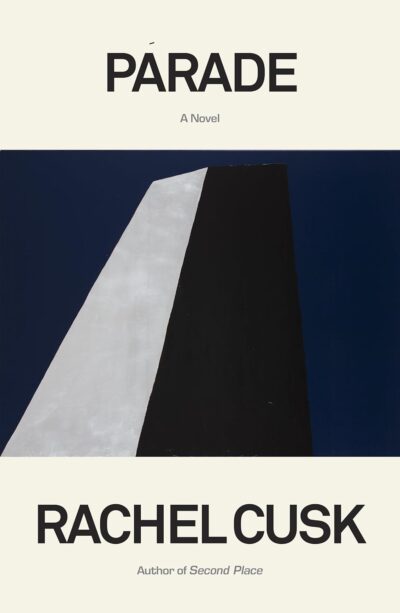 The chapter opens with a group of characters—Julia, Mauro, David, and Betsy—concluding a meal and preparing to leave. Betsy, struggling with mobility, leans on David for support, remarking on his steadiness despite his drinking. Their farewell is tinged with a sense of transience, encapsulated by Betsy’s comment: “If it only happened once, it didn’t happen at all.” The scene shifts to a contemplative observation of the courtyard, where the remnants of the evening—elongated shadows, bare…
-
14.5 K • Ongoing
-
-
The chapter titled "Four Telegrams" represents a critical moment in the historical buildup to the Civil War, offering a glimpse into the tense communications that shaped the early decisions of Confederate leadership. Dated April 10, 1861, the telegrams exchanged between Confederate General Pierre Gustave Toutant Beauregard and L. P. Walker, the Confederate Secretary of War, reveal a pivotal moment of military strategy. These exchanges, beginning with a telegram from Montgomery, urged immediate action…
-
554.9 K • Ongoing
-
-
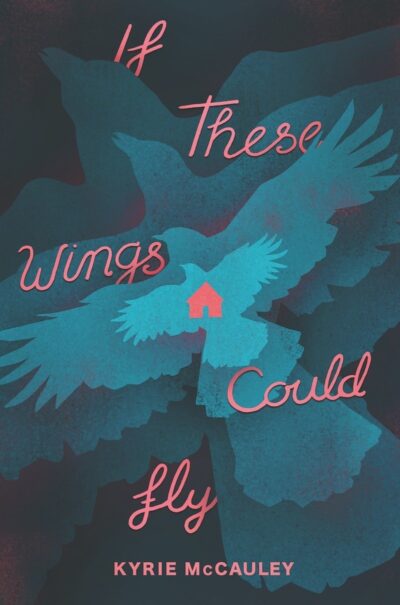 Chapter 4 of If These Wings Could Fly follows Leighton as she experiences an uncomfortable and unexpected situation after a mix-up with her locker assignment places her in the junior hallway. This moment triggers a wave of longing, especially for the senior privileges she had eagerly anticipated, particularly the access to the Senior Wall—a social space where seniors gather to express themselves and connect with one another. For Leighton, this represents a symbol of freedom and belonging that she’s…
-
387.4 K • Ongoing
-
-
 The chapter opens with a charged diplomatic lunch between Cortés's conquistadors and Aztec nobility in the palace of Axayacatl, where cultural tensions surface immediately. Captain Jazmín Caldera's visceral disgust at sharing a meal with blood-smeared priests underscores the Spaniards' alienation in this sophisticated yet alien world. Cortés, ever the strategist, tests boundaries by boasting of his Tlaxcalan allies—a gambit that backfires when Princess Atotoxtli extracts the truth from Caldera about…
-
12.9 K • Ongoing
-
-
The chapter opens with the ritual precision of Moctezuma’s afternoon nap—an act of imperial discipline that momentarily suspends the entire machinery of the Aztec empire. The silence demanded by his sleep is profound, yet its cessation, marked by the ringing of a silver bell, sends ripples through Tenochtitlan like a stone dropped in water. This carefully orchestrated pause becomes a metaphor for the fragile calm before historical upheaval, as the emperor’s rest coincides with the Spaniards’ uneasy…
-
12.9 K • Ongoing
-
-
The chapter opens with the cihuacoatl, Tilipotonqui, navigating the chaotic aftermath of political decisions made by Emperor Moctezuma, particularly regarding the arrival of the Caxtilteca (Spanish conquistadors). The empire is beset by crises: venison shortages due to Otomí warriors disrupting hunts, a Texcoca civil war affecting lake trade, and the resurgence of the Quetzalcoatl cult. Beneath these surface issues pulses a deeper tension—Moctezuma’s waning trust in Tilipotonqui and rumors of…
-
12.9 K • Ongoing
-
-
This chapter centers on the pivotal encounter between Hernán Cortés and Moctezuma, the Aztec emperor, in the blue throne room of Tenochtitlan. The scene is laden with tension, as Cortés and his men are forced to adhere to strict ceremonial protocols—removing weapons, veiling their faces, and maintaining silence until addressed. Moctezuma, though seemingly hospitable, exudes an air of controlled power, while Cortés struggles between arrogance and nervousness. The cultural divide is stark: Cortés,…
-
12.9 K • Ongoing
-
-
The chapter opens with the artist G, who begins painting upside down as a radical response to his artistic and existential crisis. Initially, his inverted paintings appear accidental, but their deliberate nature is confirmed by his signature. This innovation earns critical acclaim, reinforcing G’s reputation despite his lingering resentment toward the art world, which had harshly criticized his early work. G’s wife observes that his inversion technique inadvertently mirrors the "female condition"—a…
-
14.5 K • Ongoing
-
-
The chapter delves into the complex life of G, an artist whose early wild years in the city contrast sharply with her later conventional existence as a successful painter, wife, and mother. G’s studio in a gritty neighborhood symbolizes her rebellious past, where she lived in chaotic freedom, disconnected from her disapproving parents. Her art initially served as a raw, unfiltered expression of her inner turmoil, but as she gains recognition, her work evolves into more polished, somber pieces. This shift…
-
14.5 K • Ongoing
-
- Previous 1 … 619 620 621 … 922 Next