68 Results with the "Self-help" genre
Adventure Fiction (1164)
Biography (435)
Business & Finance (1)
Children's Literature (124)
Comics (6)
Culture (51)
Drama (123)
Dystopian (29)
Fable (86)
Fantasy (1132)
Fantasy (203)
Fiction (1010)
Finance (1)
Gothic Fiction (12)
Historical Fiction (615)
History (122)
Horror (56)
Lifestyle (36)
Literary (404)
Literary Fiction (207)
Memoir (113)
Mystery (422)
Non-fiction (87)
Novel (549)
Paranormal Fiction (96)
Philosophical (182)
Philosophy (45)
Poetry (249)
Political Fiction (14)
Politics (42)
Practical (32)
Psychological (4)
Psychological Thriller (108)
Relationship (6)
Romance Novel (716)
Romantic Melodrama (14)
Satire (91)
Science (46)
Science Fiction (345)
Society (65)
Society (2)
Spiritual Growth (1)
story (2)
Thriller (704)
True Crime (56)
view (11)
Women's Fiction (2)
Young Adult (233)
-
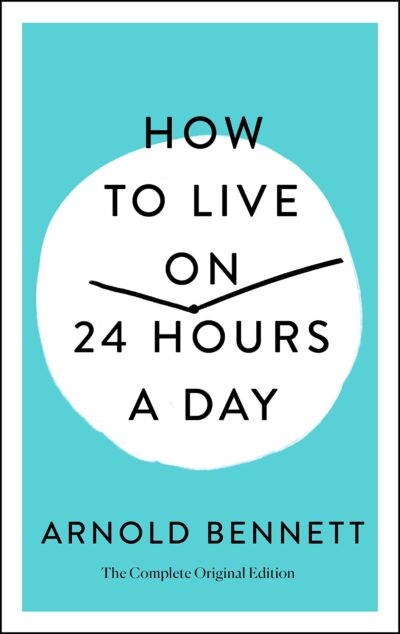 How to Live on 24 Hours a Day by Arnold Bennett is a practical and motivational book that encourages readers to make the most of their time. Written in 1910, the book offers timeless advice on how to use the 24 hours we all have each day to enrich our lives. Bennett argues that by dedicating even a small portion of our day to self-improvement—through reading, learning, or reflecting—we can achieve personal growth and fulfillment. Blending wit, wisdom, and actionable suggestions, the book inspires readers to rethink their daily routines and invest in their intellectual and spiritual well-being.
-
4.7 K • Nov 8, '24
-
4.8 K • Nov 8, '24
-
4.2 K • Nov 8, '24
-
-
 Chapter 7 explores the critical role of attachment in shaping a child's emotional and psychological development. The research conducted at the Massachusetts Mental Health Center focused on children who had experienced severe neglect and abuse. These children, although exhibiting various disruptive behaviors, such as aggression, emotional numbness, and withdrawal, were also deeply in need of affection. The behavioral patterns observed in the clinic revealed how trauma had altered their ability to form…
-
360.1 K • Ongoing
-
-
Chapter 6: Losing Your Body, Losing Your Self, the journey of healing often begins with learning to live with the questions themselves, as Rainer Maria Rilke beautifully expressed in his letters to a young poet. Just as with the challenges in our emotional and psychological states, the answers to our struggles may come slowly, without our direct awareness. Instead, we might find our way toward understanding through the simple act of living with the discomfort of the questions. Sherry walked into my…
-
360.1 K • Ongoing
-
-
Chapter 5: Body-Brain Connections, the intricate relationship between the body and mind has been a subject of scientific study for centuries. Early thinkers like Charles Darwin recognized that emotional expressions were not just mental states but were deeply intertwined with our physical selves. This concept is still valid today, as we understand more about how our bodies react to emotional stimuli and how these reactions shape our overall mental health. Darwin’s observations in The Expression of the…
-
360.1 K • Ongoing
-
-
Chapter 4: Running for Your Life: The Anatomy of Survival. Survival is the core function of the human brain, and understanding the mechanisms behind how it protects us during times of danger is vital to understanding trauma. The brain operates with intricate systems designed to ensure our protection in life-threatening situations, triggering automatic responses that prioritize safety. From the moment danger is sensed, the brain activates a series of responses to help us react appropriately, often before we…
-
360.1 K • Ongoing
-
-
Chapter 3: Looking into the Brain: The Neuroscience Revolution. In the early 1990s, the introduction of novel brain-imaging technologies marked a significant shift in neuroscience, allowing researchers to observe the brain in ways that were previously unimaginable. Techniques such as Positron Emission Tomography (PET) and functional Magnetic Resonance Imaging (fMRI) allowed scientists to visualize how the brain reacts when engaged in specific tasks or recalling memories. These advancements provided…
-
360.1 K • Ongoing
-
-
Chapter 2: Revolutions in Understanding Mind and Brain. In the late 1960s, during a year off from medical school, the author had an eye-opening experience at the Massachusetts Mental Health Center (MMHC), a prestigious psychiatric hospital. The hospital had long been regarded as one of the finest in the country, and it was here that the author was introduced to the rapidly changing landscape of psychiatric care. The prevailing treatment for mental illness at MMHC was psychotherapy, stemming from Freudian…
-
360.1 K • Ongoing
-
-
Chapter 1: Lessons from Vietnam Veterans. In the late 1970s, the author began their work as a psychiatrist at the Boston Veterans Administration Clinic, encountering a patient named Tom, a Vietnam War veteran. Tom's story unfolded over the course of his sessions, revealing a man deeply scarred by his experiences in Vietnam. He had joined the Marine Corps out of duty and idealism, rising quickly to the role of platoon leader. After surviving a harrowing experience during the war, where he witnessed the…
-
360.1 K • Ongoing
-
- Previous 1 … 6 7