404 Results with the "Literary" genre
Adventure Fiction (1164)
Biography (435)
Business & Finance (1)
Children's Literature (124)
Comics (6)
Culture (51)
Drama (123)
Dystopian (29)
Fable (86)
Fantasy (1132)
Fantasy (203)
Fiction (1010)
Finance (1)
Gothic Fiction (12)
Historical Fiction (615)
History (122)
Horror (56)
Lifestyle (36)
Literary Fiction (207)
Memoir (113)
Mystery (422)
Non-fiction (87)
Novel (549)
Paranormal Fiction (96)
Philosophical (182)
Philosophy (45)
Poetry (249)
Political Fiction (14)
Politics (42)
Practical (32)
Psychological (4)
Psychological Thriller (108)
Relationship (6)
Romance Novel (716)
Romantic Melodrama (14)
Satire (91)
Science (46)
Science Fiction (345)
Self-help (68)
Society (65)
Society (2)
Spiritual Growth (1)
story (2)
Thriller (704)
True Crime (56)
view (11)
Women's Fiction (2)
Young Adult (233)
-
Story
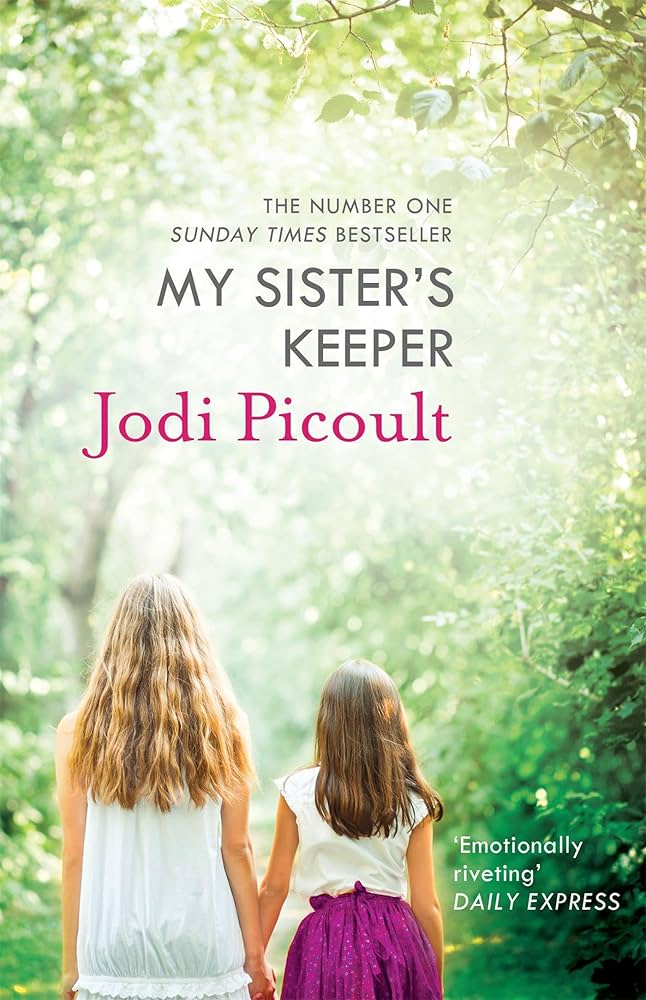
My Sister’s Keeper
 Anna Fitzgerald is an 11-year-old girl who was genetically engineered to be a perfect medical match for her older sister, Kate, who suffers from leukemia. After years of donating blood, bone marrow, and organs to keep Kate alive, Anna hires a lawyer to sue her parents for medical emancipation—the right to control her own body. The lawsuit forces the family to confront painful truths…
-
2.5 K • Jul 4, '25
-
2.2 K • Jul 4, '25
-
2.1 K • Jul 4, '25
-
-
Chapter
Lucretius
 Lucretius opens the door to a striking contrast between ancient ritual and modern thought, shedding light on the emotional resonance that classical religions might have carried for their adherents. Though we have cataloged their myths, sacrifices, and divine hierarchies in detail, little has been preserved to explain how deeply these beliefs comforted or unsettled ordinary people. This absence of personal religious reflection makes Lucretius’ intervention all the more significant. In De Rerum Natura, he…
-
72.7 K • Ongoing
-
-
Chapter
Longfellow
Longfellow holds a place in the hearts of many who grew up with his poems tucked inside childhood memories. In a letter to Walter Mainwaring, the author begins with an amusing sidestep from Browning's complex "Sordello" and instead shares his spontaneous return to Longfellow, dusting off books he hadn’t opened for decades. What begins as a light detour becomes a deeply reflective journey through time, as Longfellow’s familiar stanzas summon the author’s earlier years, stirring recollections not just…-
72.7 K • Ongoing
-
-
Story
Letters on Literature
Letters on Literature by Susan Fenimore Cooper is a collection of insightful essays and personal letters that explore a wide range of literary topics, offering reflections on the art of writing, the role of literature in society, and the works of notable authors, all framed within the context of 19th-century American culture.-
4.4 K • Nov 8, '24
-
4.2 K • Nov 8, '24
-
4.4 K • Nov 8, '24
-
-
Introductory reflections often reveal more about the observer than the subject, especially when it comes to poetry. In the letter to Mr. Wincott, the author opens with a humble refusal to pen letters directly to living poets, citing the potential offense in writing publicly to people still active in their careers. Yet, he proposes a more fluid approach—adopting the letter format for thoughtful commentary, allowing for sincerity, mild bias, and warmth. This gentle framing creates space for subjective…
-
72.7 K • Ongoing
-
-
Chapter
Gerard de Nerval
Gerard de Nerval represents a rare literary figure whose allure lies in the dreamlike quality of his prose and the deep melancholy that permeates his work. In this reflection, shared with Miss Girton of Cambridge, the writer attempts to explain why Nerval remains somewhat inaccessible to many readers, particularly those unacquainted with his abstract take on emotion. It is not a matter of intelligence or gender but rather a question of sensibility—Nerval speaks most clearly to those who feel more than…-
72.7 K • Ongoing
-
-
Chapter
Fielding
Fielding remains a towering figure in English literature, even if his popularity has dimmed in certain regions over time. While Reverend E. P. Roe might claim the hearts of contemporary readers in the Upper Mississippi Valley, the subtle artistry and profound moral architecture embedded in Fielding’s works deserve renewed attention. His characters may stumble through bawdy episodes and flawed decisions, yet the underlying current of his narratives always flows toward kindness, equity, and social…-
72.7 K • Ongoing
-
-
Chapter
Chapter XXI Conclusion
 Chapter XXI closes the story not with a dramatic conclusion, but with a gentle settling of hearts and histories. The events that once stirred public speeches, private quarrels, and deep introspection have faded into calm recollection. The hospital walls, still wrapped in ivy, remain as they always were—unmoved by time, yet bearing witness to it. Within those walls, change came not through revolution, but through quiet resignation and acceptance. Mr. Bold has left behind the fight that once consumed him.…
-
85.6 K • Ongoing
-
-
Chapter
Chapter XX Farewell
Chapter XX begins not with grandeur, but with a single question that cuts deeper than intended—asked by a resident who once regarded Mr. Harding with affection, now reduced to concern only for money. The reverence and respect once felt are clouded by uncertainty, revealing how hardship and rumors have worn away trust. Mr. Harding’s reaction is wordless; his silence speaks of disappointment far greater than anger. That moment reflects the loss not only of a position but of a bond. The hospital, once a…-
85.6 K • Ongoing
-
-
Chapter XVIII brings us into a moment of emotional confrontation as Mr. Harding quietly returns home, only to be met with agitation and disbelief. His decision to seek legal clarity, and ultimately resign, has sent shockwaves through the family. The Archdeacon, frustrated and incredulous, confronts him with a mix of anger and panic, seeing the move not as integrity but as recklessness. To Dr. Grantly, this resignation is not a moral stand but a betrayal of tradition and privilege. Mr. Harding, however,…
-
85.6 K • Ongoing
-
- Previous 1 2 3 … 6 Next