testsuphomeAdmin
Stories
167
Chapters
9,217
Words
23.6 M
Comments
0
Reading
81 d, 23 h
-
 Chapter 20 highlights the life of Daniel Inouye, focusing on his experiences during World War II, particularly in 1943. After graduating high school, Daniel had hoped to serve his country in the military, but the aftermath of the Pearl Harbor attack left him with a harsh reality. Due to his Japanese heritage, Daniel was unfairly classified as an "enemy alien," which resulted in his exclusion from military service. Instead of abandoning his dreams of contributing to the war effort, he redirected his focus…
-
123.9 K • Ongoing
-
-
Chapter 24 explores the turbulent 1950s in the United States during the Cold War, focusing on the troubling relationship between America’s racial segregation laws and the Nazi policies that inspired them. The chapter draws attention to how Adolf Hitler and the Nazi regime used America’s segregated society as a model for their own discriminatory practices, particularly in terms of the racial segregation laws enforced in the Southern states. While the United States positioned itself as a rising global…
-
123.9 K • Ongoing
-
-
Chapter 23 focuses on the life and work of Septima Poinsette Clark, a remarkable educator and activist from Charleston, South Carolina, born in 1898. Her story is deeply tied to the struggle for Black empowerment during a time of intense racial and societal challenges. Septima's father was formerly enslaved, and her mother, Victoria, worked as a laundress, fiercely refusing to let her children take domestic jobs that often left them vulnerable to exploitation. Despite these hardships, Septima aspired to…
-
123.9 K • Ongoing
-
-
Chapter 26 delves into the pivotal events of Montgomery, Alabama, shedding light on the broader civil rights movement that sought justice and equality. This chapter emphasizes that the struggle was not just about issues like bus integration or securing the right to vote; it encompassed a range of injustices that Black people endured daily, including racial violence. The story of Recy Taylor, a Black woman who was brutally assaulted by six white men in 1944, serves as a powerful anchor for the chapter.…
-
123.9 K • Ongoing
-
-
Chapter 25 of the civil rights movement reflects the intense struggles faced by Arkansas in the 1950s, particularly over school integration. Governor Orval Faubus became a symbol of the fierce opposition to desegregation in the South, epitomizing the nationwide divide over civil rights. Despite the Supreme Court's 1955 decision in Brown v. Board of Education II, which called for the integration of public schools, Arkansas failed to take action, leaving schools segregated. By 1957, the NAACP had prepared…
-
123.9 K • Ongoing
-
-
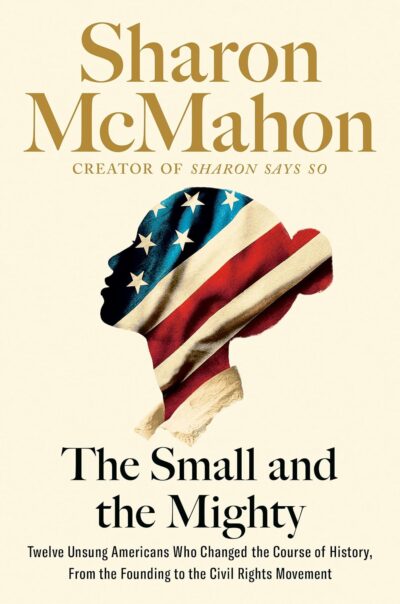
As "The Small and the Mighty" reaches its conclusion, the author reflects on the key themes explored throughout the book, reinforcing the idea that while this particular narrative may come to a close, the journey of learning and taking action continues. Throughout the pages, the book has woven together stories of resilience, perseverance, and the power of individuals—both celebrated and unsung—who have shaped the course of history. The author revisits conversations held in their podcast, Here’s Where…
-
123.9 K • Ongoing
-
-
About the author, Sharon McMahon is a distinguished educator, historian, and public speaker widely known for her commitment to civic education and her mission to combat misinformation. With a background in government and law, McMahon spent years teaching high school students, instilling in them a deep understanding of American history, democracy, and the legislative process. As political polarization and misinformation became increasingly prevalent, she recognized the need for accessible, unbiased, and…
-
123.9 K • Ongoing
-
-
Notes about Clara Brown’s life offer a profound understanding of the experiences of African American women born into slavery in the 1830s in Kentucky. Clara’s remarkable story is primarily derived from oral histories, as she was illiterate and never documented her personal struggles or achievements in writing. Her journey to freedom, which began in 1856 when she was emancipated, highlights the extreme challenges she faced during a tumultuous time in American history. Upon gaining her freedom, Clara…
-
123.9 K • Ongoing
-
-
 About the Author, Elif Shafak stands as one of the most celebrated British-Turkish novelists in the world today. Renowned for her poignant and insightful exploration of themes such as identity, migration, history, and the intersections between personal lives and larger political movements, Shafak has earned widespread recognition for her storytelling mastery. With her work translated into fifty-six languages, she has built an international readership that spans across continents. Over the course of her…
-
232.7 K • Ongoing
-
-
Dedication to understanding the intricate relationship between women and fiction marks the opening of this insightful chapter. The writer, when approached to comment on the topic, refuses to offer a standard or expected response. Instead, they find solace by the riverbank, taking time to reflect on the meaning of these words, allowing contemplation to take precedence over a hurried response. This thoughtful approach to the question of women and fiction introduces readers to the complex relationship between…
-
232.7 K • Ongoing
-
- Previous 1 … 629 630 631 … 922 Next